
Dara Nan Birnbaum (1946-2025), a groundbreaking video and installation artist, pioneered the use of appropriation and manipulation of mass media as artistic practice. Birnbaum’s explosive and formally innovative works are centered on themes of feminism, consumerism, power and social justice. For five decades, her art has challenged our understanding of how images are constructed, circulated and understood. Birnbaum has been internationally recognized with awards, exhibitions, and publications.
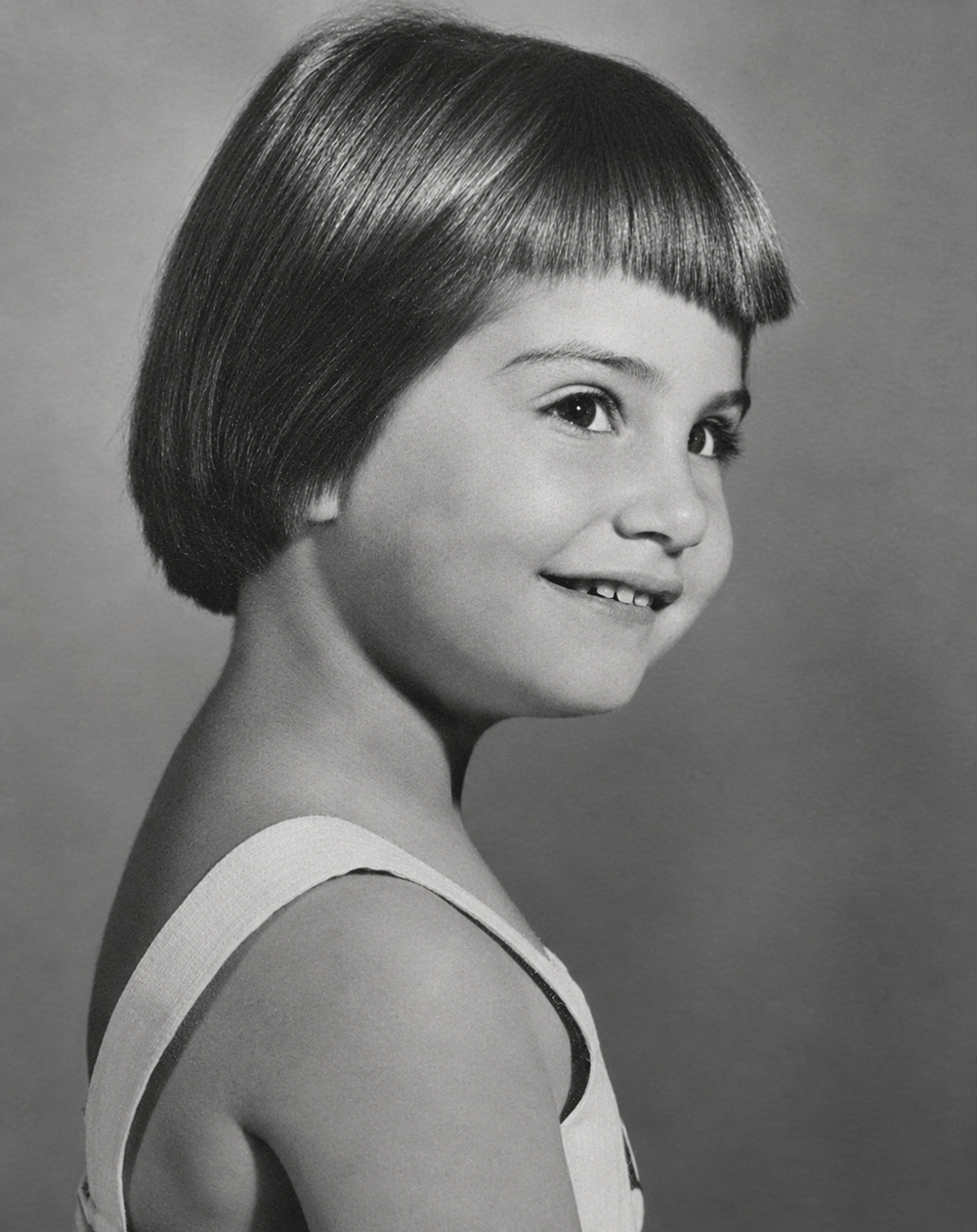
Birnbaum was born October 29, 1946, in Queens, New York. She attended Forest Hills High School, whose notable alumni included the Ramones, Paul Simon, Art Garfunkel, and Burt Bacharach. Her brother Robert went on to become a physician scientist. Her father, Philip Birnbaum, was a prolific New York architect who designed more than 300 residential buildings, including the Hotel Parker Meridien, the Savoy, and Trump Plaza. Her mother, Mary (Sochotliff) Birnbaum, was a pathologist who left the profession to raise Dara and Robert. She introduced her daughter to museums at an early age, frequenting the Museum of Modern Art and the Metropolitan Museum of Art.
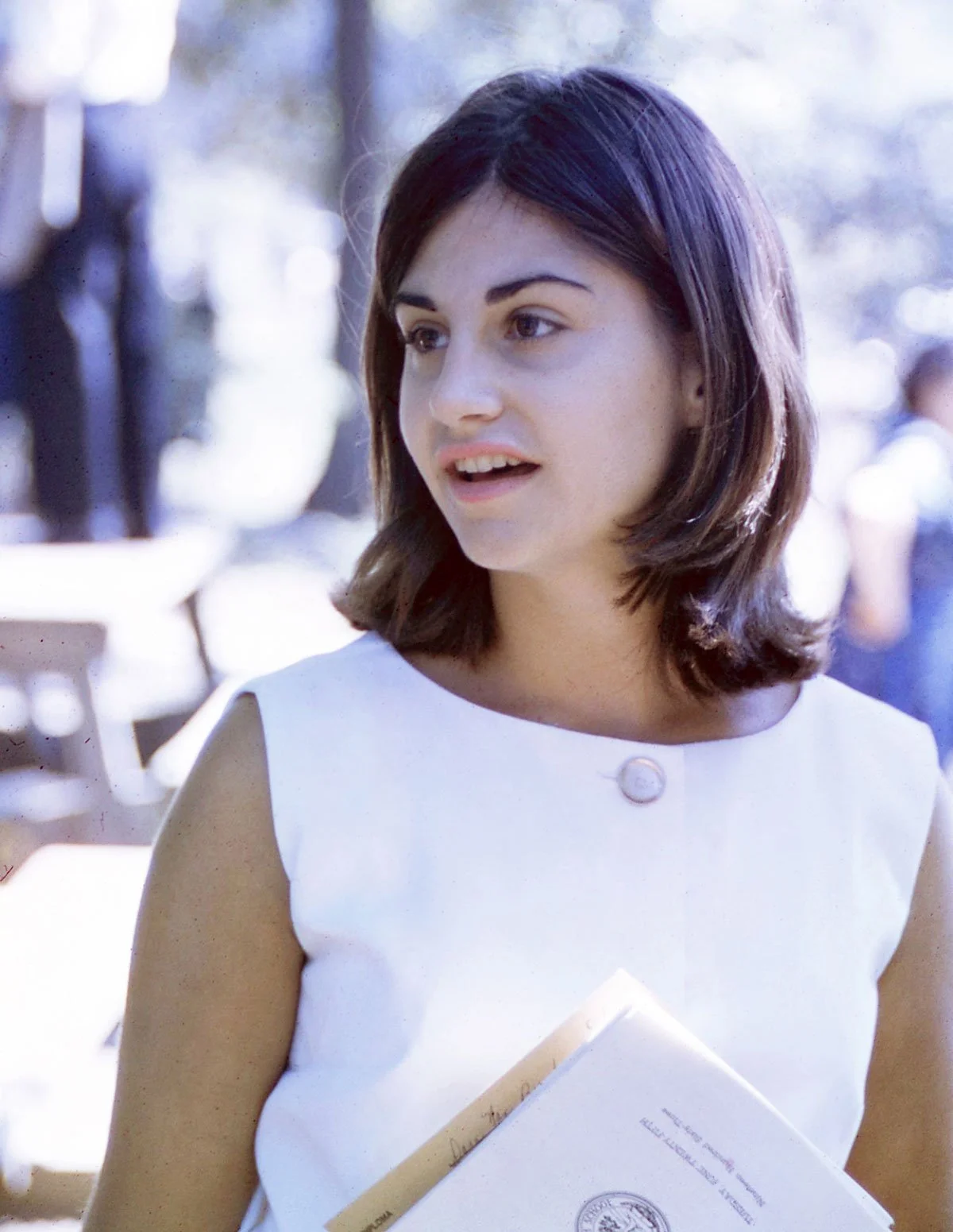
Birnbaum graduated early from Forest Hills High School and enrolled at Carnegie Mellon University in Pittsburgh at the age of 16. Following in her mother’s footsteps, she initially studied pre-med, but after three weeks of working with fetal pigs, she switched to architecture. Her love of animals and commitment to animal rights continued throughout her life.

There were no other women—either students or professors—in Birnbaum’s architecture class of 24. She faced significant challenges as a female student in a rigorous program requiring extensive hours of classwork per week. The university’s “late night” rule required women to return to their dormitories by 10 p.m., while their male classmates could remain in the studios throughout the night. Birnbaum persisted, graduating in 1969.
After graduation, she spent a year in New York working at Emery Roth & Sons, which was collaborating with Skidmore, Owings & Merrill on the World Trade Center project. Finding that she did not enjoy the building practice, she applied to Lawrence Halprin & Associates, a landscape architecture firm, and moved to San Francisco. Halprin was a pioneer in the emerging field of environmental design, collaborating with communities to shape the spaces in which they lived and worked. His wife, choreographer Anna Halprin, introduced Birnbaum to the San Francisco Dancers’ Workshop, which had a similar community-based approach to movement and dance. Increasingly drawn to the arts, Birnbaum left Halprin in 1971 to enroll at the San Francisco Art Institute, where she earned a B.F.A. in 1973.
As a graduation gift from her father, she traveled to Europe, and decided to study in Florence, Italy, taking classes at the Accademia di Belle Arti. One night she happened upon the gallery Centro Diffusione Grafica, later known as art/tapes/22, and was drawn to two prints in the window - Touchstone (for J. L), 1972, by Vito Acconci (a bite mark piece) and Reading Position for Second Degree Burn, 1970, by Dennis Oppenheim. Inside a group of people were huddled around a television set watching a video piece by Allan Kaprow (perhaps Fluids of 1967). She told Artforum in 2019: “That was my first encounter with video, and that started everything for me.”
Birnbaum met many of the gallery’s artists including Acconci, Joan Jonas, and Richard Landry, who became life-long friends. They encouraged her to return to the burgeoning alternative arts scene in New York where she connected with a community of younger artists, including Scott Billingsley, Dick Miller, and Robin Winters. Dan Graham became a mentor, and introduced Birnbaum to film theory, sharing copies of Screen Magazine with her. Birnbaum started thinking more critically about the ideology of the formal language of film. “You know, it’s funny, I’m reading these things that I really care about, but no one is talking about television. At the time they weren’t. And I just made that jump. And I said, ‘It has to be something about television and television language.’ ”
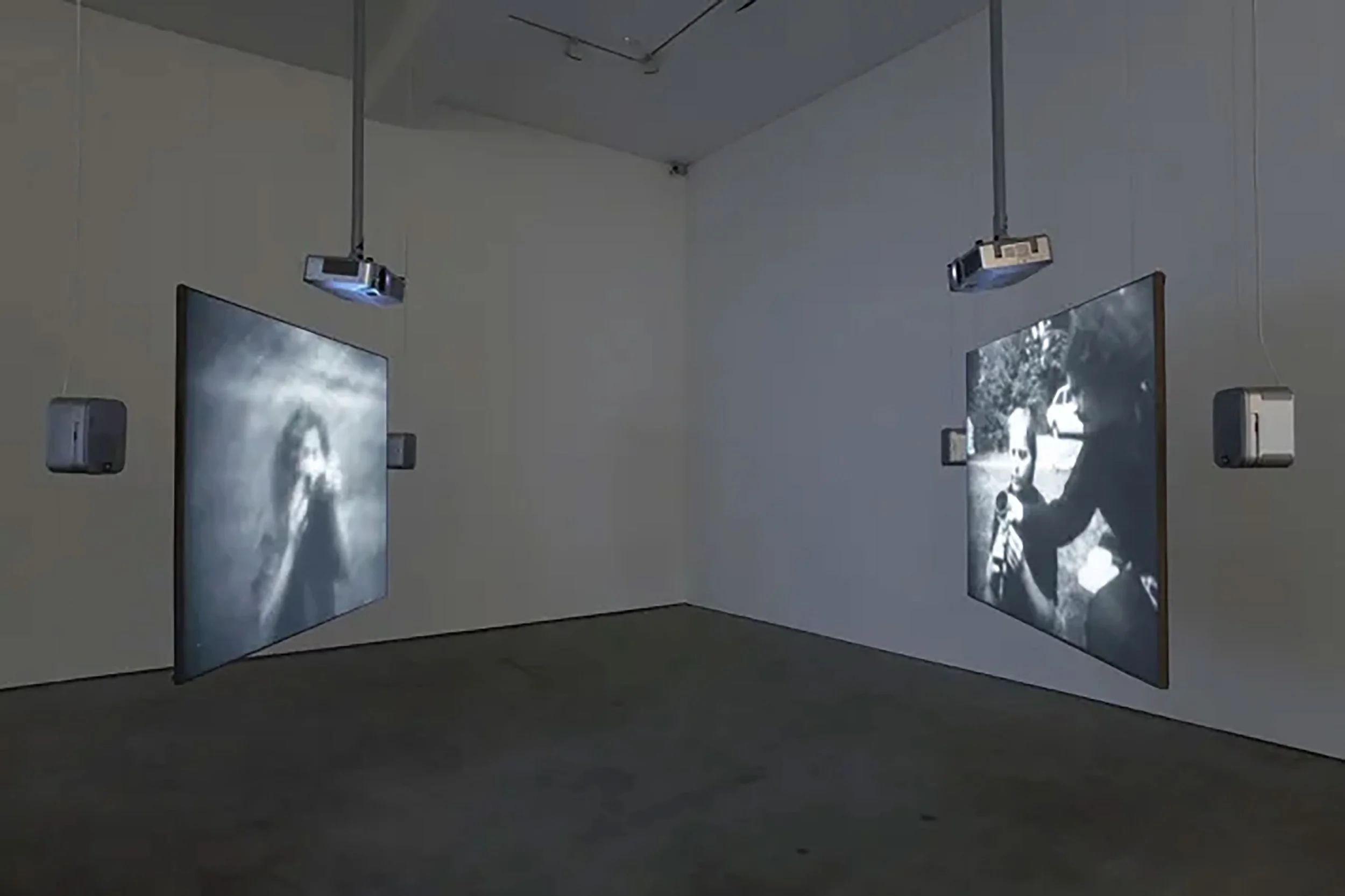
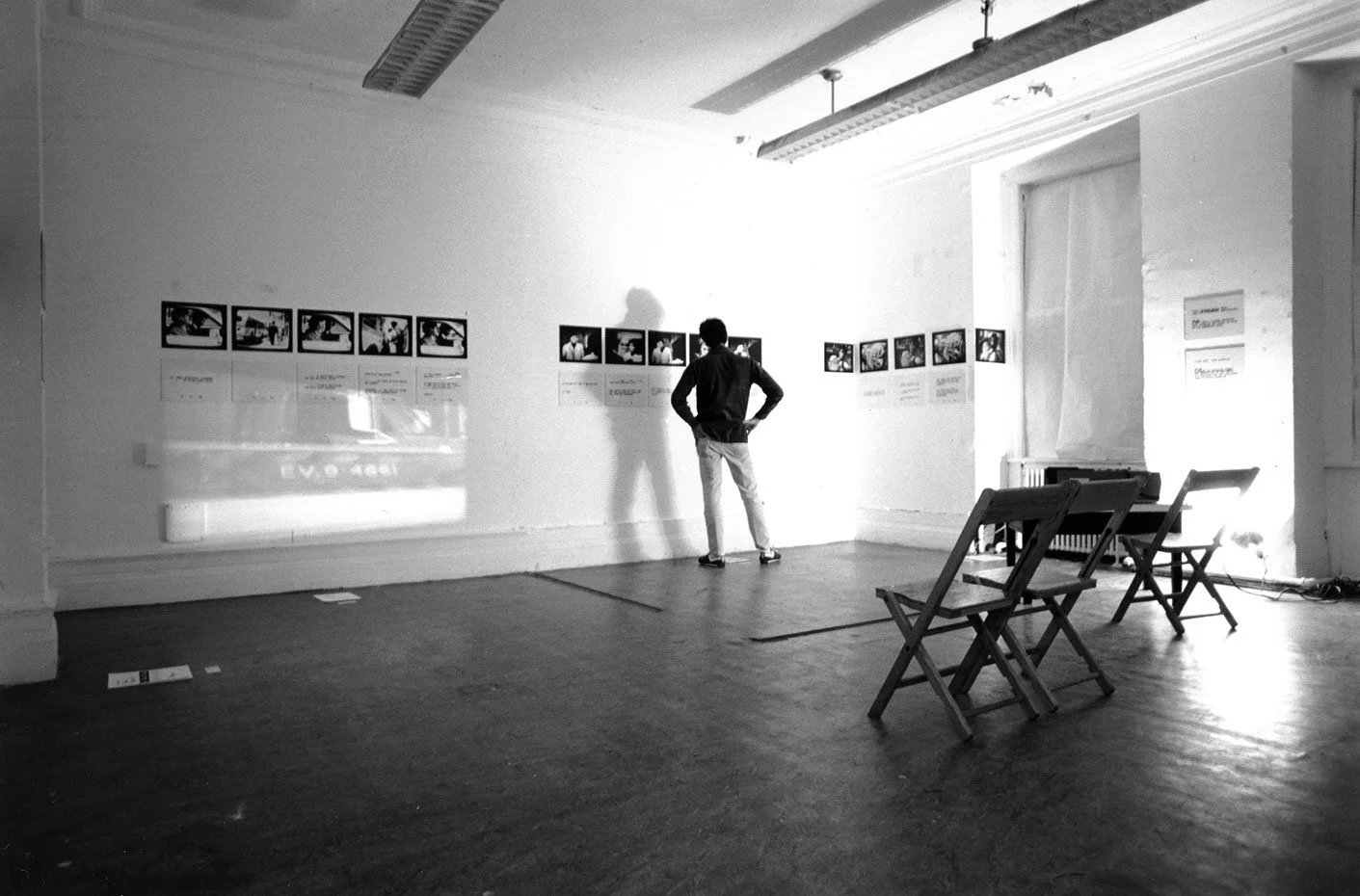
Birnbaum began working in video with a Portapak borrowed from Alan Sondheim. Her earliest works, or “exercises,” combined video, Super 8 film, and still photography, often featuring Birnbaum performing simple actions for the camera. She has cited the influence of Graham, Acconci, and Bruce Nauman on these early performance-based works, which were brought together in the 1977 Franklin Furnace installation Note(s): Work(ing) Process(es) Re: Concerns (That Take On/Deal With). Rather than presenting the finished works, Note(s) documented the process for each, using notes, diagrams, and photographs. The pieces engage feminist concerns, examining women as the object of the camera’s implicitly male gaze and the power relations embedded in that dynamic. In the two-channel Attack Piece (1975), shot in Nova Scotia, Birnbaum, armed with a 35mm camera, defends herself against a group of (mostly) men—including Graham, John Knight, and David Askevold—who wield Super 8 cameras. In Pivot: Turning Around Suppositions (1976), she extracts dialogue (“suppositions”) from three female film noir characters and re-states it to the camera as it pivots around her. Her notes articulate the process: “EXTRACT THE CLICHES… ISOLATE THE DIALOGUE… ISOLATE THE ROLE(S) PLAYED/ROLE-PLAYING… ISOLATE THE MOVEMENTS |SPLIT|.”
During this time, Birnbaum enrolled in the Video Study Center at the New School for Social Research in New York which was developed with the early video collective Global Village Video to foster democratic participation in the rising media of film and television. In 1970 the editors of the journal Radical Software wrote, “Power is no longer measured in land, labor, or capital, but by access to information and the means to disseminate it.” The influential publication led to the development of such collectives throughout the country; at this time, commercial video recording equipment was not readily available and Radical Software provided valuable technical information for this growing user group audience. Birnbaum received a Certificate in Video and Electronic Editing from Global Village Video in 1976.
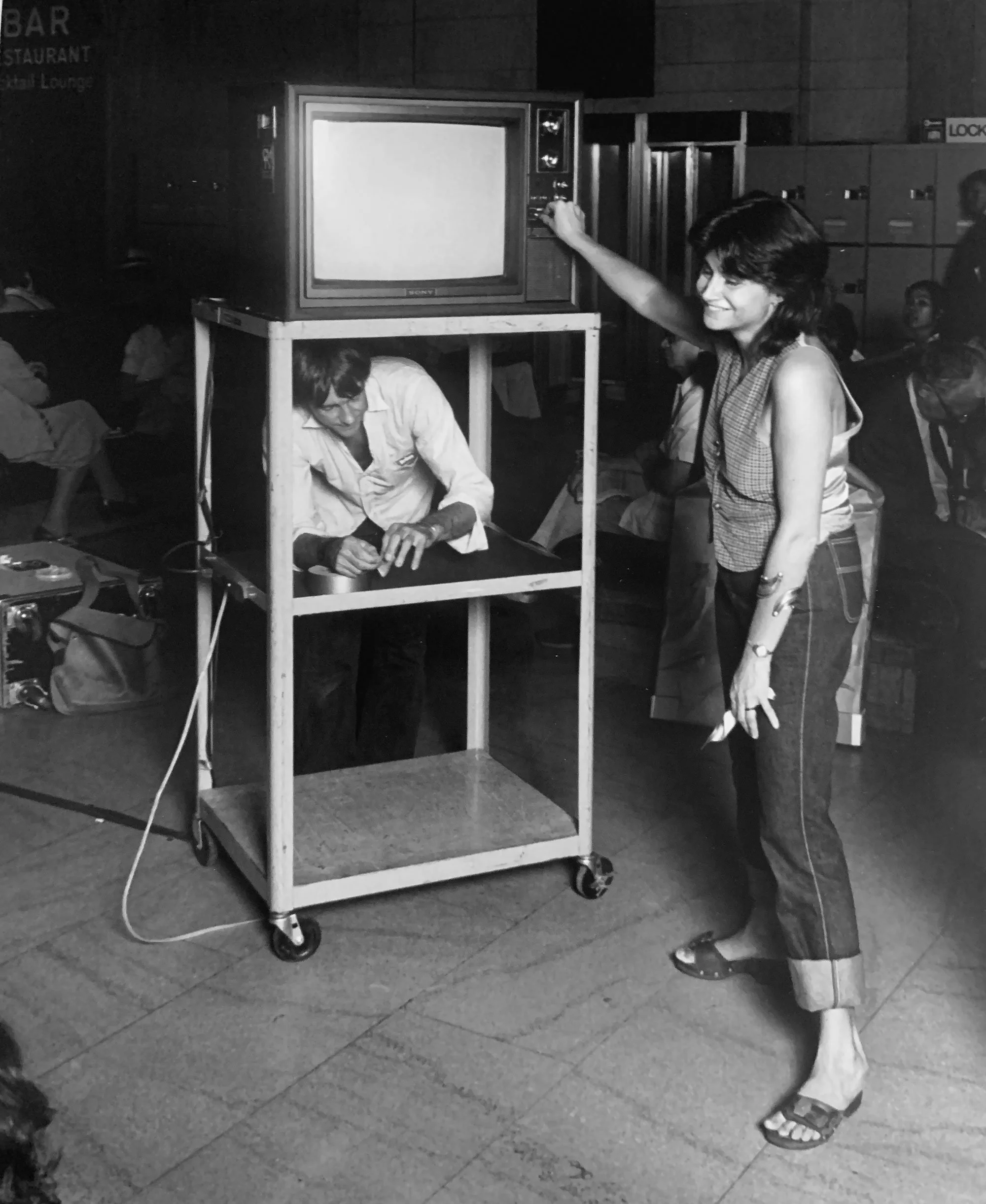
Birnbaum’s first foray into working with the televisual image was Lesson Plans (To Keep the Revolution Alive), a series of photographs taken off television showing the use of “reverse-angle shots” in the prime-time detective show Police Story. Lacking a commercial recording unit for screenshots, Birnbaum produced Lesson Plans live, capturing the images off the television during the broadcast with her camera. Aware of Maoist film aesthetics and how the reverse-angle shot could signify moments of transgression, division, and the breakdown of harmonious relations, Birnbaum understood from the outset that the formal strategies of television—the ways in which images organize relationships between subjects—were inseparable from larger systems of power.
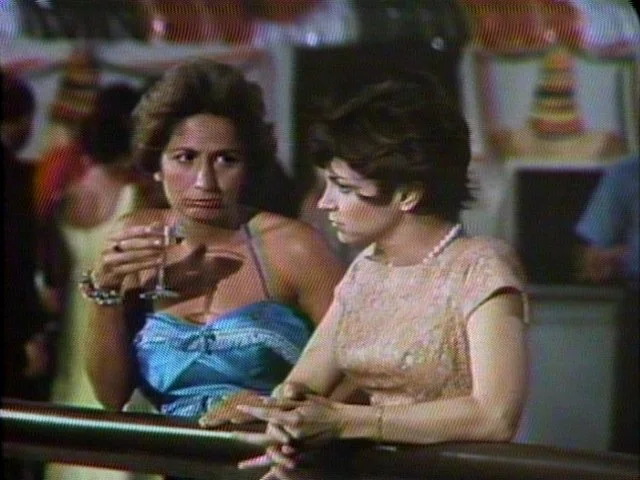
Lesson Plans was shown at Artists Space on May Day in 1977, bringing Birnbaum’s work to a wider audience. Carlota Schoolman, then director of video at the Kitchen, saw the exhibition, and an exhibition at the Kitchen soon followed in 1978. While Lesson Plans examined the reverse-angle shot, (A) Drift of Politics (Two Women Are Active, in a Space) focused on the two-shot. It was Birnbaum’s first work to use appropriated television footage, obtained from the popular sitcom Laverne & Shirley, which she re-edited herself, distilling a 30-minute episode into five minutes of two-shots. For its installation at the Kitchen, she further disrupted the narrative by separating the soundtrack and broadcasting it in an adjacent space. Some of the footage was also transferred to film and projected in slow motion using a Kinescope, comically exaggerating the two women’s expressions.
In 1978 Dan Graham brought Birnbaum up to Nova Scotia College of Art and Design to teach a new Media class, together with Michael Asher, Jenny Holzer, and Martha Rosler. While at NSCAD she had access to their video editing equipment. A series of works involving mashed up edits of appropriated footage followed, including Kiss the Girls: Make them Cry, Kojak/Wang, and General Hospital/Olympic Women’s Speed Skating. These pieces, with their use of appropriation, music, text and sometimes deconstructed installation viewing, became a series called “Pop-Pop Video.”
Technology/Transformation: Wonder Woman followed in 1979. The unrelenting repetition of Lynda Carter transforming from secretary to superhero with a flash and a twirl became a touchstone work. Its resonance with a larger audience was reflected in the diverse venues where it appeared - from the storefront window of the H Hair Salon de Coiffure, the Guerrilla Girl Night at the Palladium disco, and on network TV opposite the prime-time original show. Birnbaum connected with other Pictures Generation artists, such as Jenny Holtzer and Barbara Kruger and Jack Goldstein, who were also exploring ways to get work out through alternative public venues. (The legendary Pictures show opened just four months after her show at Artists Space.)
In 1982, Birnbaum was invited to her first documenta at the recommendation of Coosje van Bruggen and Germano Celant. The only video artist included, she presented PM Magazine as a walk-in video environment. That summer, she also had an exhibition at the Stedelijk Museum. Returning from Europe, Birnbaum began to move away from appropriation and toward exploring the mythology of women through footage she shot herself. This shift led to the Damnation of Faust trilogy, developed both as a series of single-channel works and as installations incorporating monitors set into enlarged photographic panels and architectural elements.

In 1983, while completing the first work in the trilogy, Evocation, Birnbaum was invited to produce a short for MTV: Art Break. In 1987, she created her first video wall for the Rio Shopping Center in Atlanta, an innovative installation that incorporated interactive elements and a live CNN news feed into found footage of the site's original landscape. These projects expanded Birnbaum’s reach and reputation, and in 1987 she was the first woman to receive the Maya Deren Award from the American Film Institute.
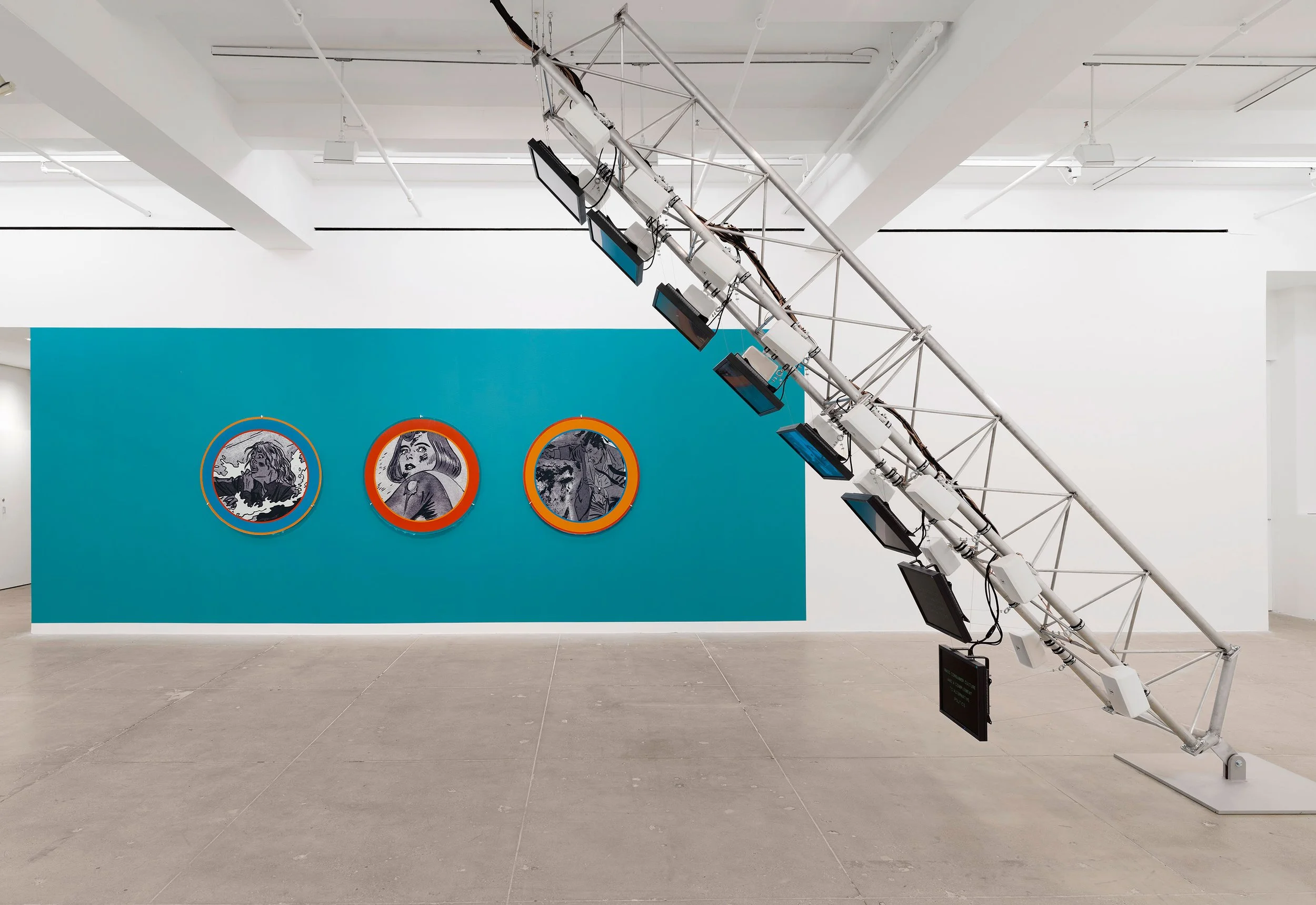
Birnbaum was invited to teach at Princeton University in 1987-88 and connected with a group of on-campus student activists organizing a “Take Back the Night” march to address sexual harassment on campus. Several works featuring student activism emerged from this time including Canon: Taking To The Street (1990), Tiananmen Square: Break-in Transmission (1990), Transmission Tower: Sentinel (1992) and Hostage (1994).
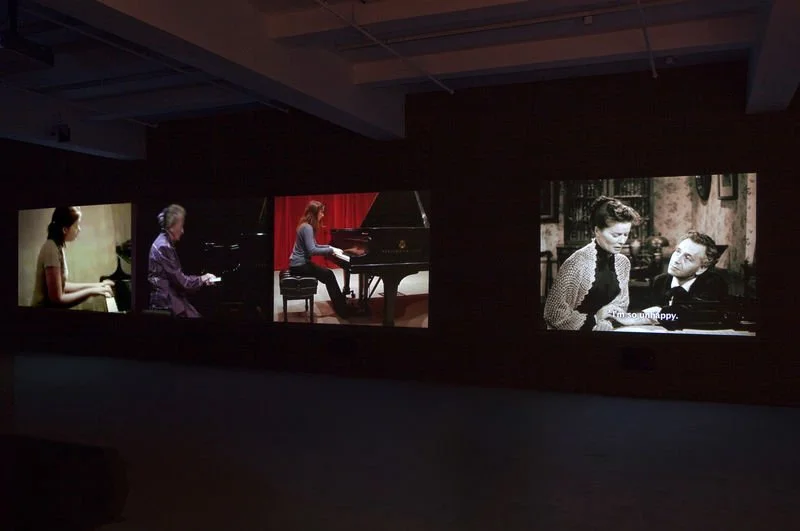
While the fast pace mash-ups of the earlier works using appropriated footage thrust the strategies of television in the face of the viewers, making plain the structures of objectification, dislocation, and control, Birnbaum explored new strategies for her later installation works, such as Erwartung/Expectancy (1995/2001), Arabesque (2001), and Psalm 29/(30) (2016). Birnbaum later described her feelings which led to this shift, “So a kind of numbness has developed, and that’s why some art attempts to yell out so hard at its viewers. But if one comes from a place of solemnity and from a whisper, in a society that’s constantly yelling, maybe it’s a stronger whisper that can best be heard and then matched with full integrity.”
Music was integral to Birnbaum’s practice throughout her career. In her early works, she frequently collaborated with musicians who created original scores or contributed existing pieces to her videos. In 1980, The Kitchen featured a screening of the Pop-Pop Video works, and invited musicians to perform with the videos, including Rhys Chatham, Kim Gordon & Stanton Miranda, and Jules Baptiste. Kim Gordon and Sonic Youth gave Birnbaum permission to use Gordon’s recently written song “Protect Me You” in Damnation of Faust: Evocation (1983). In later works, Birnbaum’s engagement with music became the focus, as in Arabesque (2011), where she explored questions of gender, authorship, performance, and cultural memory through the contrasting musical legacies of Robert and Clara Schumann.
In 1997, Dan Graham included her work in Social Space, a group exhibition that he curated at Marian Goodman Gallery in Paris. At that time, Birnbaum did not have gallery representation. A few years later, Goodman and Birnbaum were both at a San Francisco Museum of Modern Art exhibition opening featuring works from the Dick and Pamela Kramlich Collection. During the opening remarks, Dick cited that Birnbaum’s Tiananmen Square: Break in Transmission (1990), which was on view, was the first work of video art that he and his wife had ever acquired. That evening, Goodman, with further encouragement from her artists, invited Birnbaum to present a solo exhibition at her gallery in Paris the following year. The Gallery went on to host seven solo exhibitions of her work and continues to represent the Dara Birnbaum estate today.
Birnbaum received numerous awards including NEA Grants from the Media Arts Program (1984 and 1988), an NEA Visual Arts Fellowship (1991), the Guggenheim Fellowship (2021) and the American Academy of Arts and Letters (2024). In 2017, Carnegie Mellon University’s School of Art created the annual Birnbaum Award recognizing a graduating senior whose work exemplifies art at the intersection of media and technology. Birnbaum held regular teaching positions at various universities throughout her professional life. In addition to her time at NSCAD and Princeton, she worked periodically as a professor at the School of Visual Arts in New York starting in 1983 until the early 2020s. She also taught at California Institute of the Arts in Valencia, California (1982); Hunter College in New York (1991), and Städelschule in Frankfurt (1992-1993).
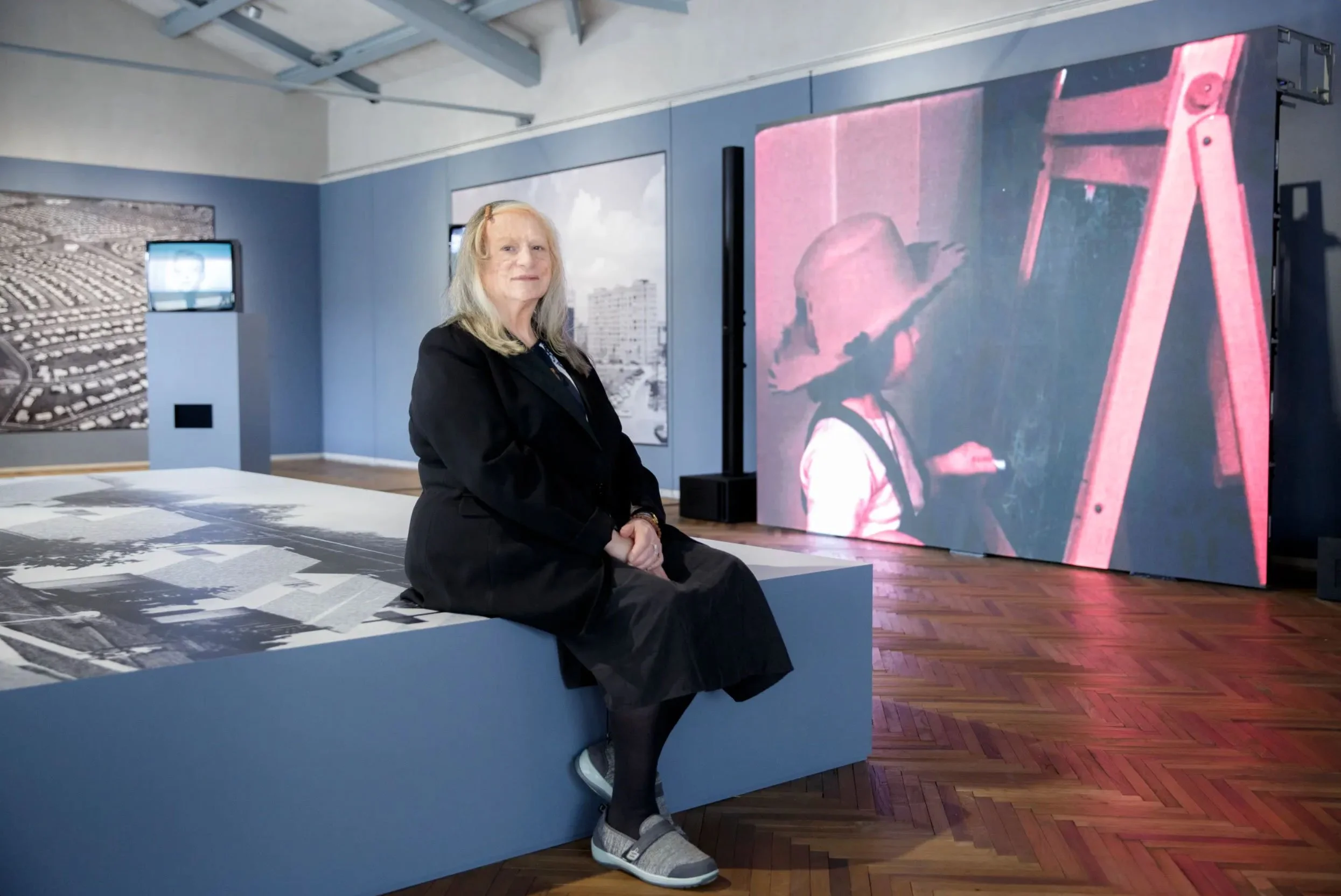
Birnbaum’s retrospectives include the Kunsthalle Wien, Vienna (1995); S.M.A.K., Ghent (2009); Serralves Foundation, Porto, Portugal (2010); Prada Aoyama, Tokyo (2023); Osservatorio Fondazione Prada, Milan (2023); and Belvedere Palace, Vienna (2024). In 2022, the Hessel Museum of Art in Annandale-on-Hudson, New York, presented Reaction, the first retrospective of Birnbaum’s work in the United States. The show was complemented by a significant survey at the Miller Institute for Contemporary Art in Pittsburgh that same year.
Birnbaum continued to work and exhibit internationally until her death in a Manhattan hospital on May 2, 2025, at the age of 78.
Her work continues to shape our conversations around the relationship between art, technology, mass media, and the structures of power embedded in visual culture.